About
When I was a child, my father’s work meant that we moved frequently and lived in many different parts of the world. At the age of four, we were living in Ufa in the USSR, before moving to Abu Dhabi. When I was eight, we settled in northern China, in Manchuria, where we lived for five years. This was in the late 1970s and early 1980s, and China was very different from the country we know today.
In both Russia and China we lived in small, austere apartments, and living conditions were often harsh. Despite the extreme cold, I spent most of my free time outdoors, wandering and playing in the nearby dump, searching for “treasures” to make my first pieces of jewelry. I was often bored, and I believe it was during those moments that my inner imaginative world began to develop.
From our apartment in Liaoyang, all I could see was a road where trucks, buses, military vehicles, and bicycles passed by. Behind us stretched an empty lot. There were no trees, no greenery in sight. People wore clothes in dark, muted tones. It seemed that my entire world was composed of grays and blacks, dark blues, and a little khaki.
At that time my contact with art was rare, except during occasional visits to temples or certain factories. Once a year we visited our family in Paris. On the way back, before taking the twelve-hour train ride to Liaoyang, we spent a few days in Beijing, where we visited the Forbidden City, the Temple of Heaven, and the Great Wall. I was fascinated. I also remember being deeply captivated by traditional Chinese paintings—horses and vaporous landscapes painted in ink on rice paper.
Around the age of thirteen my parents divorced and we moved back to France. It was a major upheaval. My mother enrolled me in the private school where she taught French, Ancient Greek, and Latin. The students wore designer clothes, and I suddenly discovered a world I knew nothing about: fashion and its social codes. For many reasons, returning to France was a shock. I felt profoundly out of place. In response, I shaved my head and became part of the Parisian punk scene of the time. It was my way of expressing my refusal of what was happening to me. I had to readjust and learn how to live in Europe.
At eighteen I left home to begin my studies. I loved that period of freedom and discovery. I studied Art History at the Sorbonne, where I obtained a Master’s degree. After my studies, life called me back to Asia. I moved to Singapore, where I worked in several art galleries. It was there that I discovered and began collecting Southeast Asian art.
Life continued to take me to other places: New York, then Pondicherry, where I worked as an artists’ agent. India left a deep impression on me. I was overwhelmed by the intensity of its scents and colors. I loved everything about it.
I later returned to Paris, where I collaborated on the Fondation Cartier website before moving to Lisbon. There I studied contemporary jewelry making. It was a revelation: my childhood creations from found materials were already a form of art, carrying within them the continuity of my artistic language today.
Today I live between Basel, Paris, and Lisbon. Through all these journeys and experiences, one constant has remained: my art. In one way or another, I have always created.
My experience of the world runs through my work. I am particularly drawn to women and their place in society, and I am fascinated by the ways human beings interact with one another and with nature. Sometimes these relationships are beautiful, sometimes painful.
Strange figures often appear in my work, beings that do not conform to traditional standards of beauty. My characters may have two heads, be covered in spots, or display asymmetrical forms. They reflect life as it is: imperfect, fragile, and marked by fractures.
For a long time, I drew in silence, showing my work to no one and questioning its legitimacy. There were moments when I tried to stop painting. I told myself it was unnecessary, that life demanded more practical things, that raising three children left no room for such a fragile pursuit, and that taking time for my art was a luxury, not a priority. And yet, I could not stop. Creating has always been a need, almost an obsession, something essential.
Today, after raising my children and rebuilding my life across different countries, I dedicate myself fully to my practice, a commitment that, despite doubt, has always been there.

URSS Early 70's
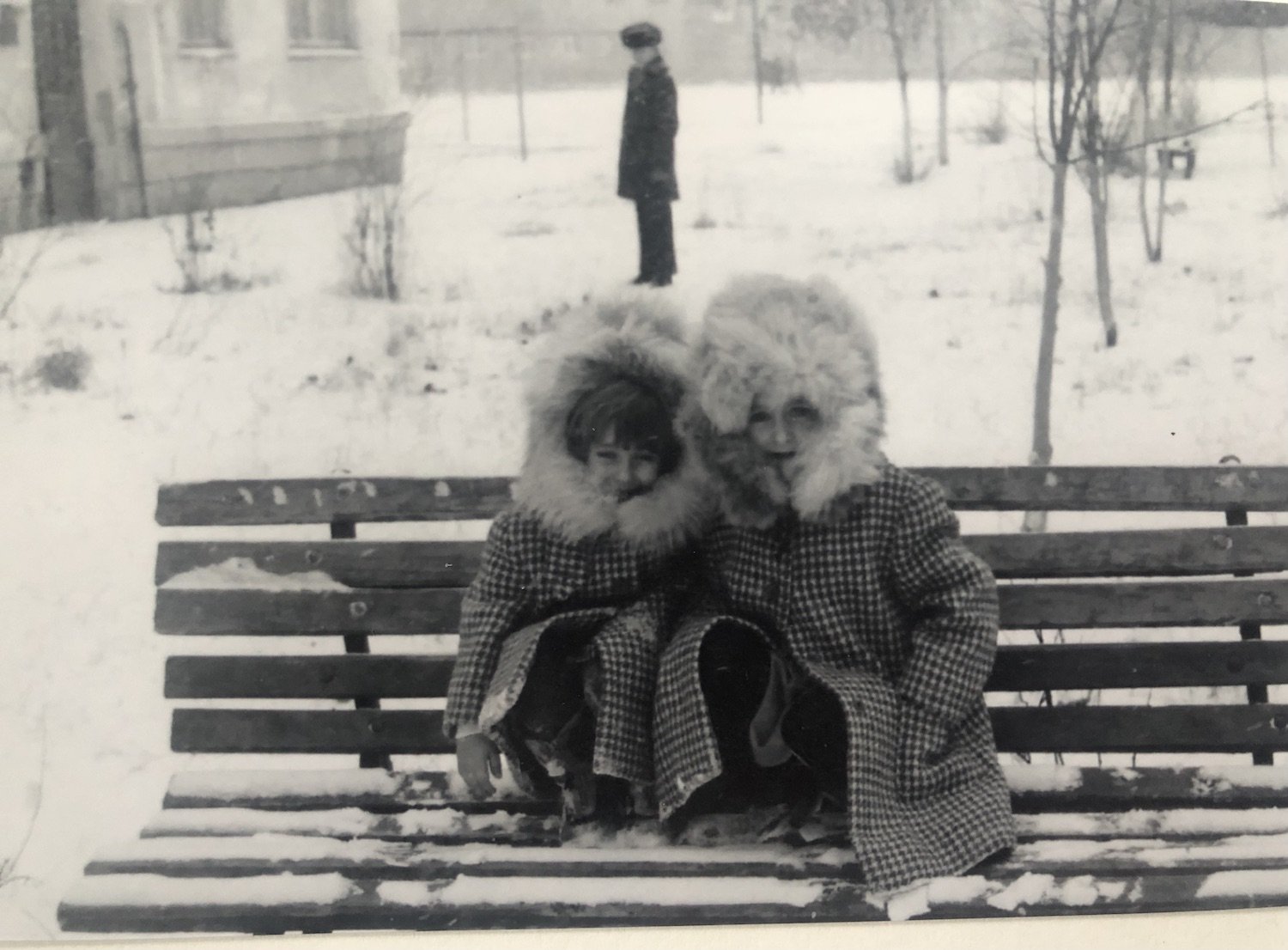
USSR early 70's

USSR early 70's
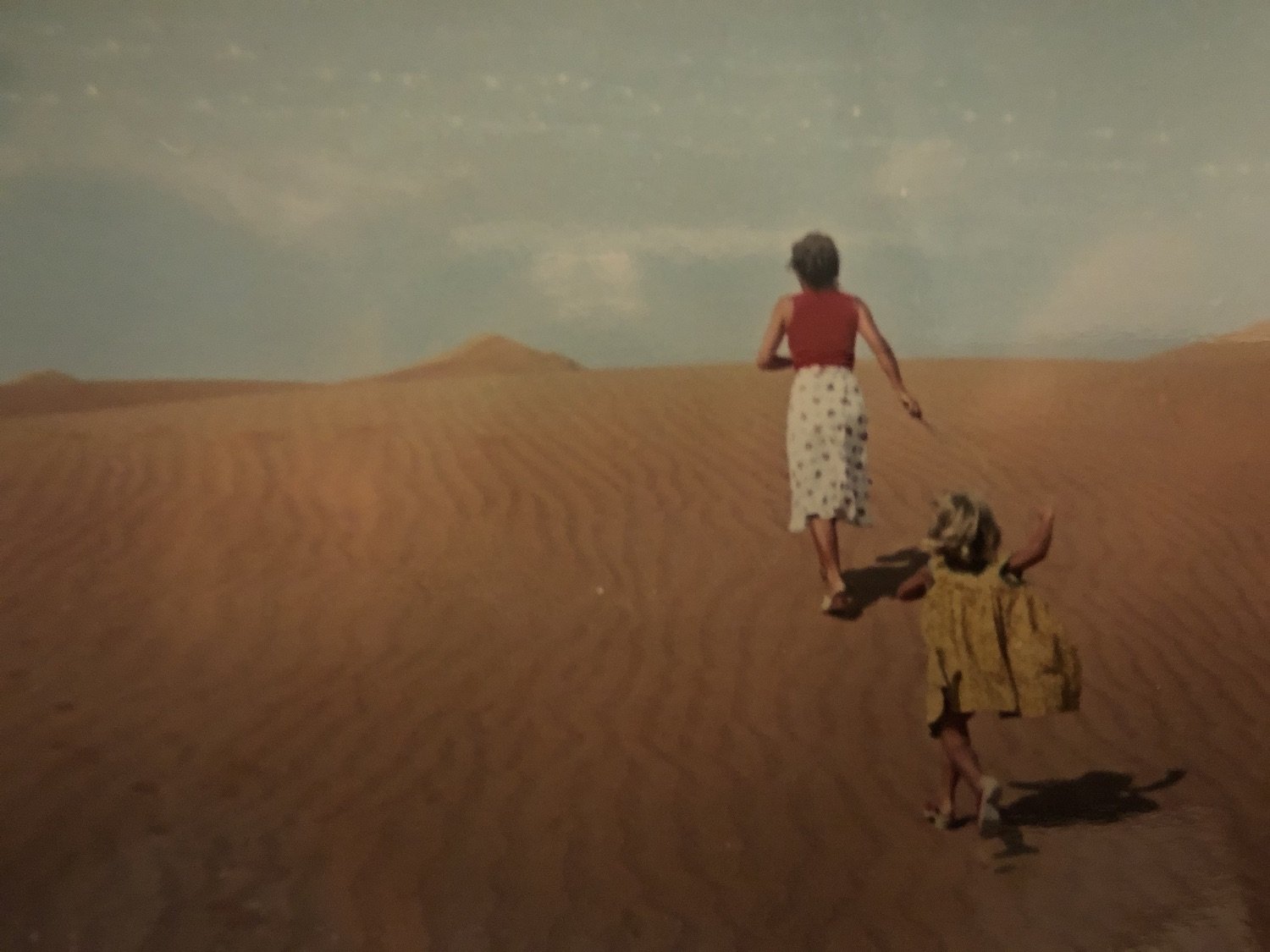
Abu d'Habi early 70's

Abi d'Habi mi 70's

China late 70´s, early 80's
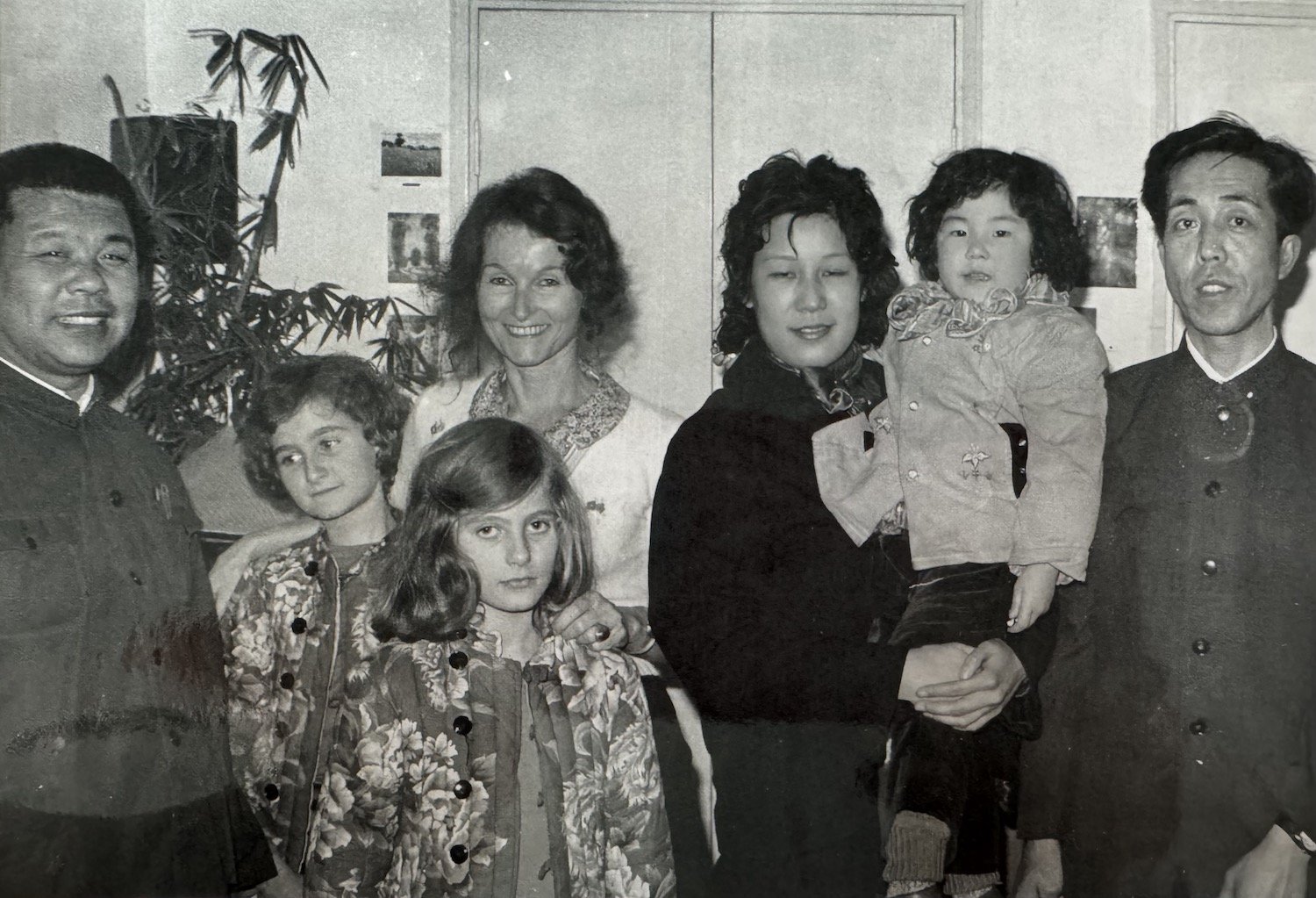
China late 70's early 80's

China late 70's early 80's

China late 70's early 80's

China late 70's early 80's

China late 70's early 80's
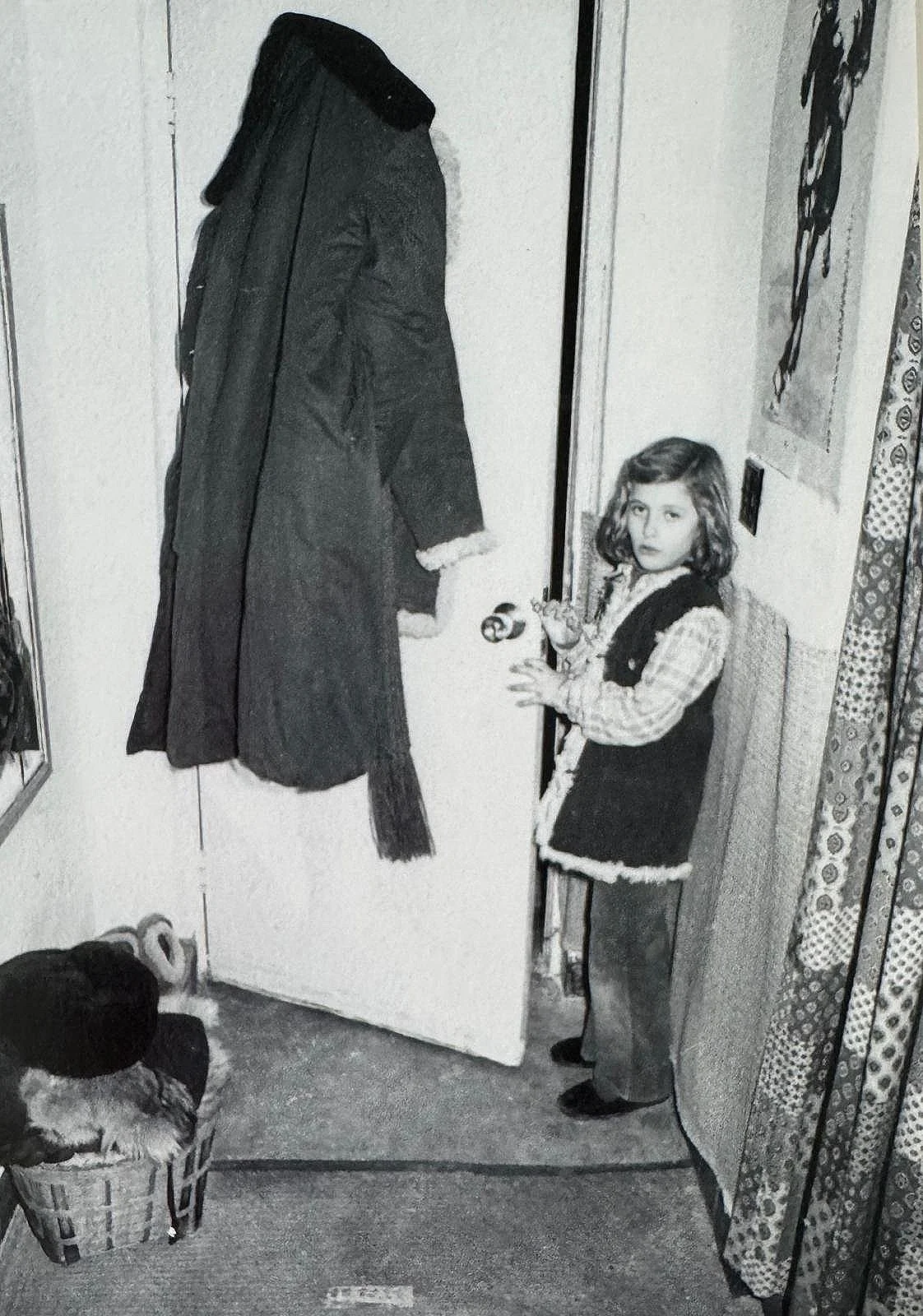
China late 70's early 80's

China late 70's early 80's

Singapore 1992
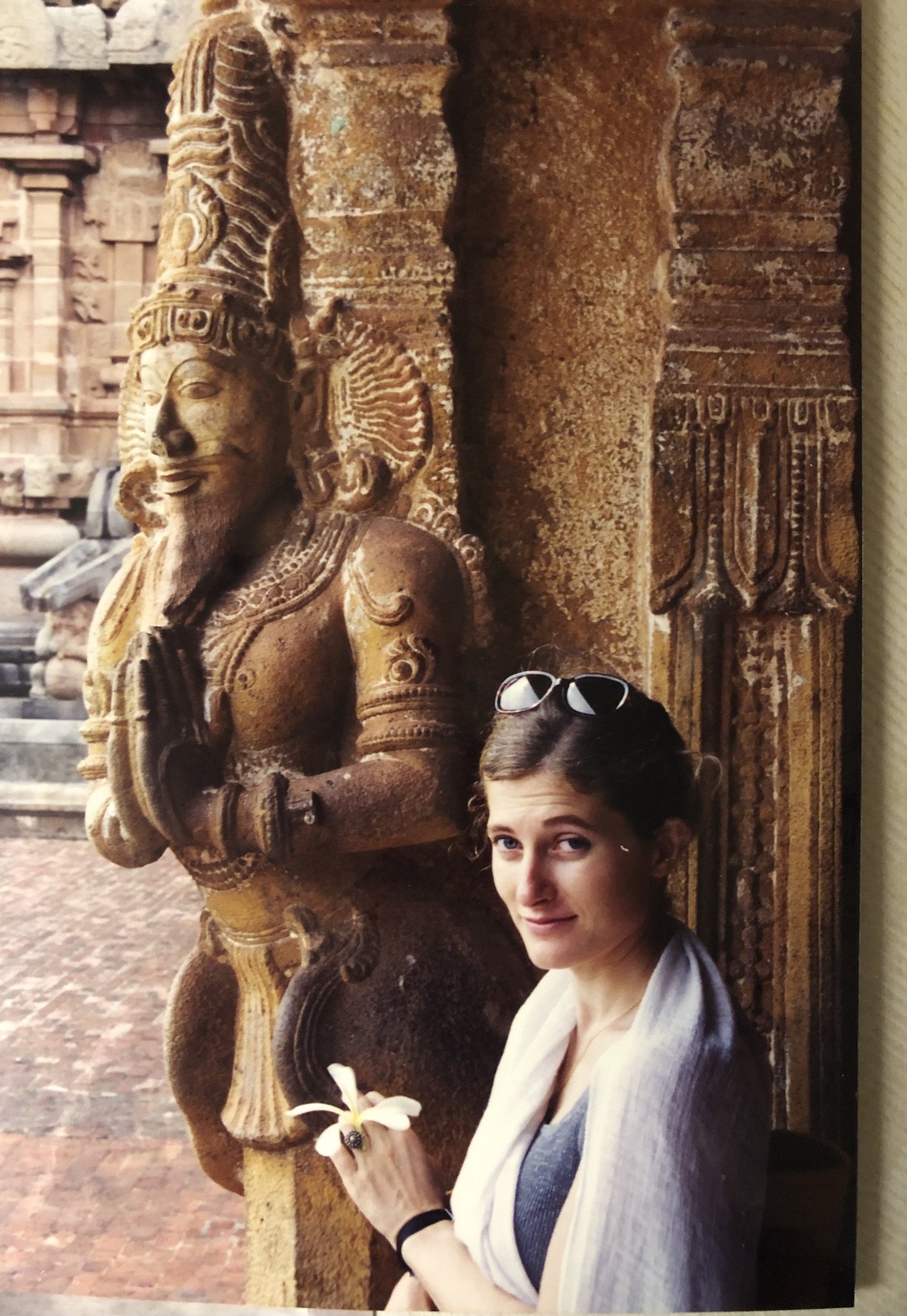
India 1998
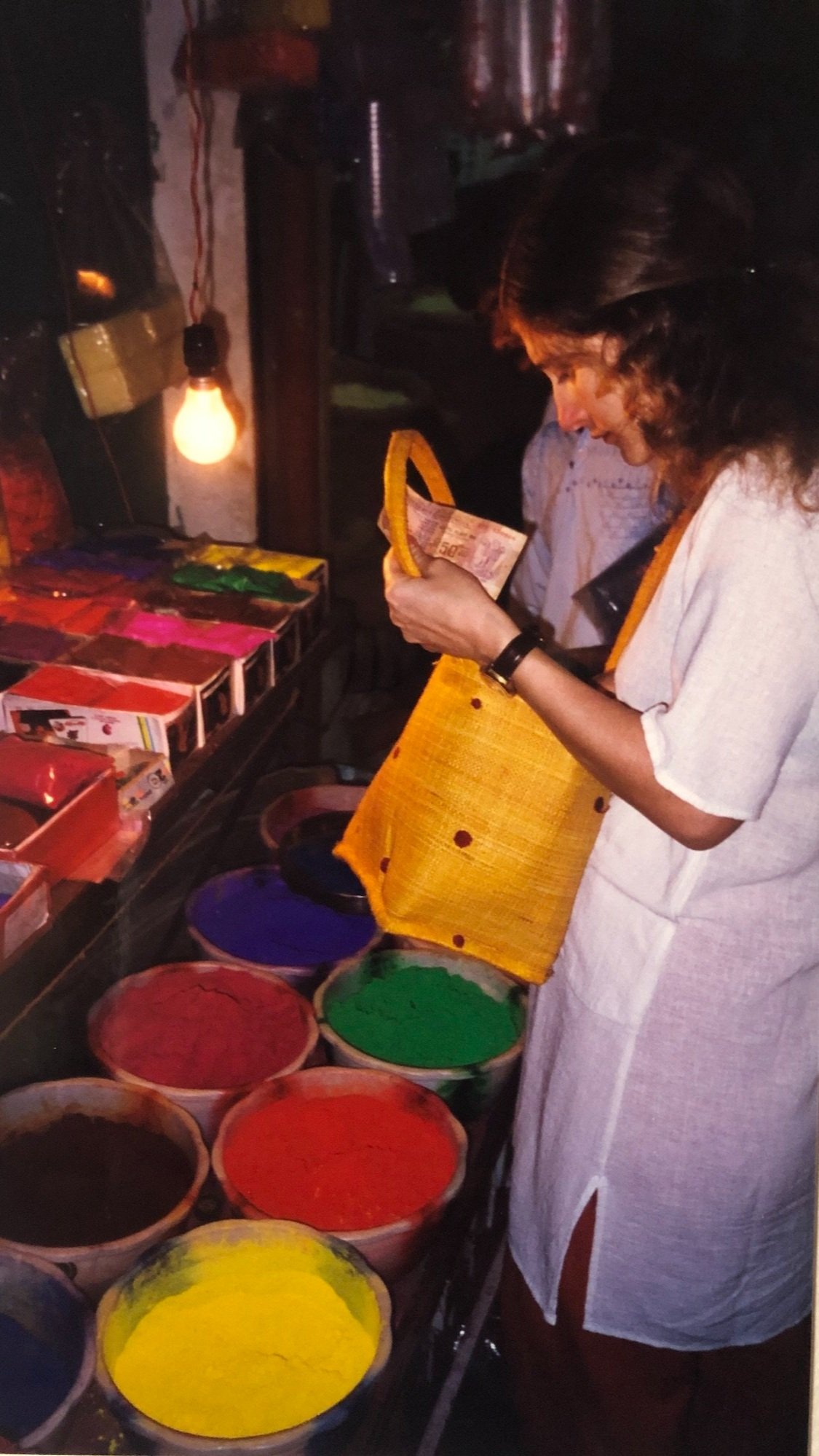
India 1998
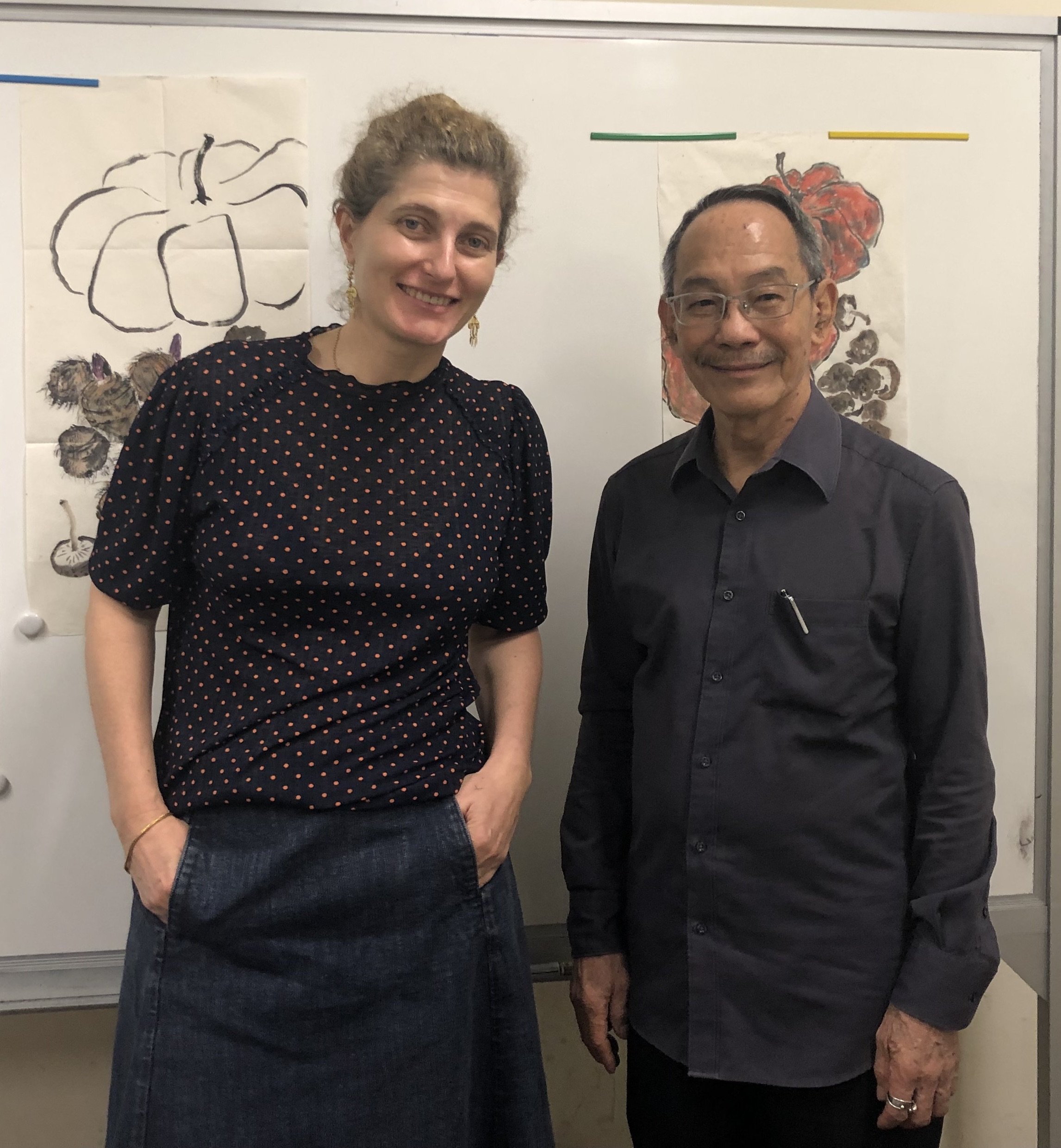
Singapour 2018
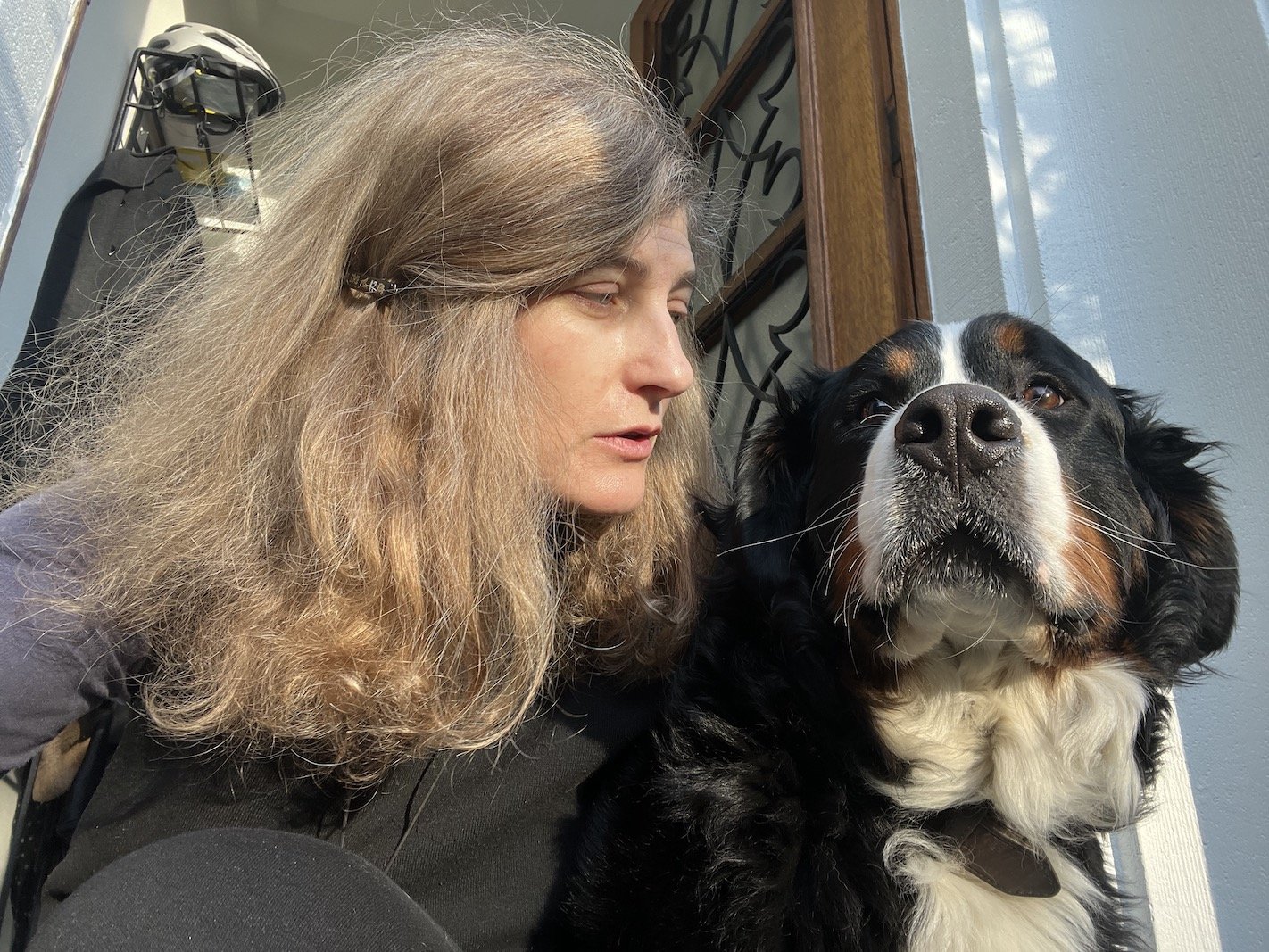
Basel 2024